
What Iowa Home Buyers Need to Know About Builder Grade Materials Before They Sign
You found the lot. You picked the floor plan. Now the builder hands you an upgrade sheet and suddenly every room has a price tag. Flooring, cabinets, countertops, siding — all of it listed as “standard” or “upgrade,” and you have about 30 minutes to decide before the meeting ends.
Most Iowa home buyers walk into that room without knowing what “builder grade” actually means. And that gap costs them. Either they upgrade everything out of fear, or they skip upgrades they later regret. Either way, they find out too late.
This guide is written to fix that. We are going to break down exactly what builder grade means for each major material category in a new construction Iowa home, which upgrades are worth paying for, and which ones you can skip without losing sleep. We will also share what local Iowa builders actually use, how the Des Moines housing market affects your decisions, and where KYADTA Building Supplies fits into the picture.
What "Builder Grade" Actually Means and Why It Matters
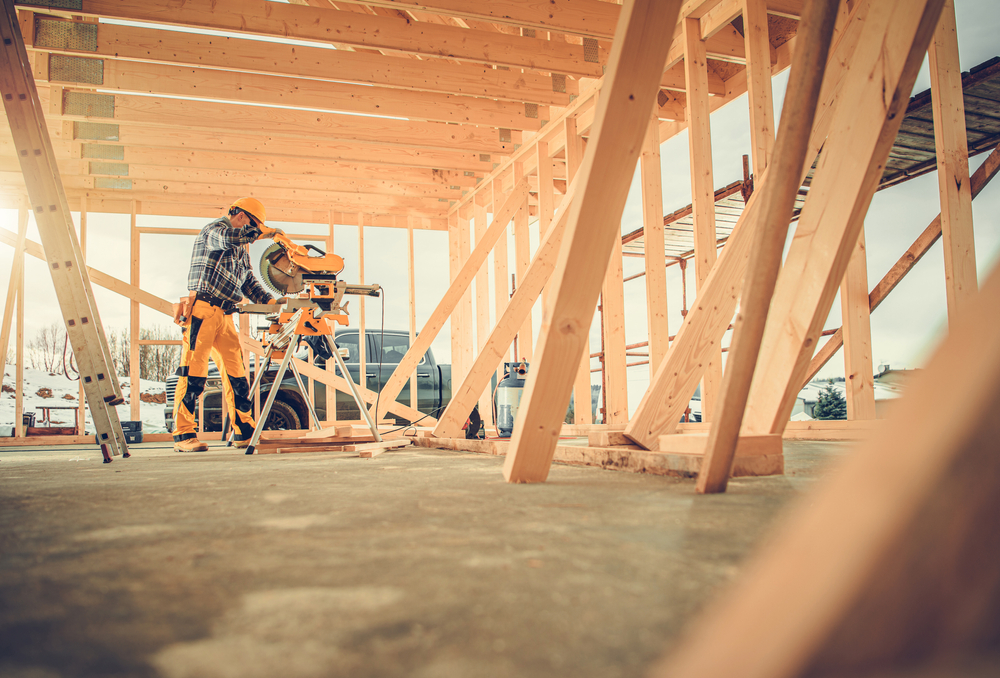
Builder grade is a term the construction industry uses to describe the baseline materials a builder includes in the base price of a home. These are functional, code-compliant materials selected for volume buying power and consistent availability, not for long-term performance or resale value.
This is not a knock on builders. It is simply economics. A builder constructing 40 homes at once cannot hand-select premium materials for every finish. According to the NAHB What Home Buyers Really Want report, buyers rank durability and low maintenance above all other material qualities, but builder grade products are often optimized for installation cost, not those priorities.
In Iowa, “builder grade” typically includes:
- Sheet vinyl or basic LVP in main living areas
- Stock cabinets in a limited finish selection
- Laminate countertops or low-grade granite in base packages
- Vinyl siding on the exterior in a small color range
- Builder grade windows with lower energy ratings
None of these are bad choices by default. Some will serve you perfectly well for years. Others are worth upgrading before you close, because retrofitting them later costs significantly more.
Flooring: The One Upgrade Iowa Home Buyers Regret Skipping Most
Floor covering is the most visible material in your home and the hardest to replace after you move in. Moving furniture, removing existing flooring, living through a renovation, it is a significant disruption. Getting this right at the build stage matters more than almost any other decision.
Builder grade flooring in Iowa new construction is most often a basic sheet vinyl or entry-level LVP with a wear layer under 8 mil. That wears through in high-traffic areas within 5 to 7 years. According to Houzz research on LVP flooring, a 12 mil or higher wear layer is the minimum recommended for homes with children or pets, which describes a large portion of Iowa families building new.
Upgraded LVP flooring in the 20 to 22 mil wear layer range is water resistant, scratch resistant, and rated for heavy residential use. It is still not hardwood, but it performs like hardwood in Iowa’s humidity swings without the maintenance demands. Our team at KYADTA has delivered LVP flooring to dozens of new construction projects across Des Moines, and the feedback from builders is consistent: mid-grade LVP gets fewer callbacks than anything in the budget tier.
Worth upgrading? Yes, for main living areas. Stay with base flooring in storage rooms, utility spaces, and guest bedrooms if budget is a concern.
Cabinets: Where Builder Grade Can Actually Work for You
Cabinets are where a lot of Iowa home buyers over-upgrade. The industry has done a good job marketing semi-custom and full-custom cabinetry as must-haves, but the truth is more nuanced.
Builder grade cabinets in Iowa new construction are typically RTA (ready-to-assemble) or framed stock cabinets with a plywood or MDF box. The box quality is usually fine. Where builder grade falls short is in the door and drawer hardware, the finish durability, and the limited size options that can leave awkward filler gaps in your layout.
The practical upgrade that makes the biggest difference is not the cabinet itself — it is the soft-close hinges and drawer glides. Most builders offer this as a low-cost add-on, and it transforms the daily experience of using the kitchen. If your builder does not include it in the standard package, ask for it specifically.
If you want to upgrade further, semi-custom cabinets allow you to spec the exact sizes that fit your kitchen properly, eliminating filler strips. KYADTA supplies semi-custom and in-stock cabinet options to Iowa builders at pricing that often surprises buyers who assumed custom meant unaffordable.
Worth upgrading? Soft-close hardware: absolutely. Full cabinet upgrade: only if your kitchen layout has significant filler gaps or you are building your long-term family home.
Countertops: The Upgrade That Changes the Way Your Home Feels
Countertops are the one surface in your home that most directly communicates quality to future buyers, guests, and to yourself every day. It is not just aesthetics. It is about how the surface holds up to Iowa family life.
Builder grade countertops in Iowa new construction are almost always laminate or lower-end granite remnants. Laminate has improved significantly in the last decade, but it is still vulnerable to heat damage, scratches at the seams over time, and cannot be repaired if gouged. Granite remnants are natural stone, which sounds premium, but the remnant pieces used in base packages are often mismatched in pattern and porosity, requiring sealing every 1 to 2 years.
Quartz is consistently the most requested upgrade for Iowa new construction, and for good reason. It is non-porous, heat resistant to a degree, requires no sealing, and holds its appearance for decades. MSI research on quartz countertop maintenance confirms what Iowa builders already know: quartz generates far fewer warranty callbacks than granite or laminate in residential settings.
KYADTA stocks a full range of quartz countertops for Iowa new construction projects, with options from entry-level quartz that outperforms standard granite to premium thick-slab quartz for kitchens that need to make a statement.
Worth upgrading? Yes. Quartz is the one countertop material that will still look correct in 20 years. It is the upgrade that adds the most resale credibility per dollar in the Iowa market.
Siding: The Upgrade That Iowa Weather Will Eventually Force Anyway
Iowa weather is not forgiving. Hail, high winds, freeze-thaw cycles, and summer humidity put building exteriors through conditions that materials in milder climates never face. This is where builder grade siding decisions have the most real-world consequences.
Standard builder grade vinyl siding is typically .040 gauge, thin enough that it can warp in prolonged direct sun and crack in extreme cold. In Iowa, where temperatures swing from below zero to 100 degrees Fahrenheit within the same year, this is a genuine performance concern, not marketing copy.
Upgraded vinyl at .046 or .050 gauge holds its shape and color significantly better over an Iowa exterior lifespan. Fiber cement siding steps up further, with genuine resistance to impact, moisture infiltration, and pest damage. LP SmartSide engineered wood siding is what we see gaining the most traction in Iowa new construction right now, it combines the dimensional look of wood with an engineered core that handles Iowa freeze-thaw without the warping and rot risk of natural wood.
We have done a full comparison of vinyl, fiber cement, and LP SmartSide for Iowa new construction if you want the full breakdown. The short version: for Iowa, anything below .046 vinyl is a compromise you will likely be revisiting within 10 to 15 years.
Worth upgrading? Yes, especially in Iowa. The ROI on siding in the Des Moines market is strong, and the cost to reside a home after the fact is substantially higher than the upgrade cost at build time.
Windows and Insulation: The Invisible Upgrades That Cost You Every Month
Builder grade windows meet Iowa code. They are double-pane, they have an acceptable U-factor, and they will keep rain and wind out. What they will not do is keep your utility bills where they should be in Iowa winters.
Upgraded windows with Low-E glass coatings and argon gas fill between the panes reduce heat transfer significantly. Energy Star certified windows can reduce heating and cooling costs by up to 12% in Iowa climate zones, and with Des Moines gas and electric rates trending upward, that compounds over the life of the home.
The same logic applies to insulation. Iowa’s climate zone 5 designation requires higher R-values than most states. A builder who hits minimum code requirements is leaving thermal performance on the table. Ask your builder specifically what R-value they are achieving in the walls, attic, and rim joist, and get the answer in writing.
Worth upgrading? Windows: yes, if your builder offers it at build time. Insulation: yes, always. These are the upgrades that quietly save you money every month for the life of the home.
How to Think About Upgrade Costs in the Iowa New Construction Market

The Iowa housing market is meaningful context here. According to Iowa Realtors market trend data, new construction homes in the Des Moines metro are transacting at premium prices relative to resale inventory. That means the upgrade premium you pay at build time is being spread across a higher base sale price, which affects your ROI calculation differently than it would in a slower market.
The general rule from Remodeling Cost vs. Value data is that exterior upgrades (siding, roofing, windows) return the highest percentage at resale, while interior cosmetic upgrades return less. For Iowa home buyers, this means siding and window upgrades deserve priority over countertop and flooring upgrades from a pure investment standpoint, though flooring and countertops have a direct quality-of-life impact that many buyers reasonably prioritize.
If you are working with a builder who offers material allowances, ask specifically how those allowances align with KYADTA’s material package options. An allowance that matches what local suppliers actually charge means the builder is being realistic. An allowance that is $800 under current market pricing for flooring means you are absorbing an upgrade cost whether you intended to or not.
The Material Decisions That Are Easier and Cheaper After You Move In

Not every upgrade needs to happen at the build stage. Some materials are straightforward to replace or add after closing, and doing them later can actually give you more flexibility.
- Light fixtures and ceiling fans: skip the builder’s upgrade pricing. Buy your own after closing at a fraction of the cost.
- Interior door hardware: easy to swap out over a weekend. Not worth the builder markup.
- Backsplash: builders charge premium labor rates. A local tile contractor can do a kitchen backsplash after the fact for significantly less.
- Paint: builder paint is almost always flat white on every wall. Budget $2,000 to $4,000 for a full interior repaint after you move in and choose your own colors.
- Landscaping: most builder landscaping packages are minimal. Plan to invest separately after closing.
The materials that are difficult to change after the fact, flooring, cabinets, countertops, siding, windows, insulation, are the ones where the build-time upgrade decision actually matters.
What to Ask Your Builder Before You Sign Anything
Walking into a builder meeting with the right questions changes the conversation. Here is what Iowa home buyers should ask:
- What gauge vinyl siding is included in the standard package, and what is the upgrade option?
- What wear layer thickness is included in the standard flooring, and what brands do you source from?
- Are the included cabinets RTA or framed stock, and what is the box material — plywood or particleboard?
- What countertop material is standard, and what is the cost to upgrade to quartz?
- What U-factor are the standard windows rated at, and are Energy Star options available?
- What insulation R-values are you achieving in the walls and attic?
- Are material allowances based on current supplier pricing, and which suppliers are you using?
If a builder cannot answer these questions directly and in writing, that is meaningful information. Good Iowa builders source from suppliers who can provide spec sheets on request. KYADTA works directly with builders across Des Moines and central Iowa to make sure the material specs buyers agree to at contract are actually what gets installed.
Why the Supplier Your Builder Uses Matters More Than You Think
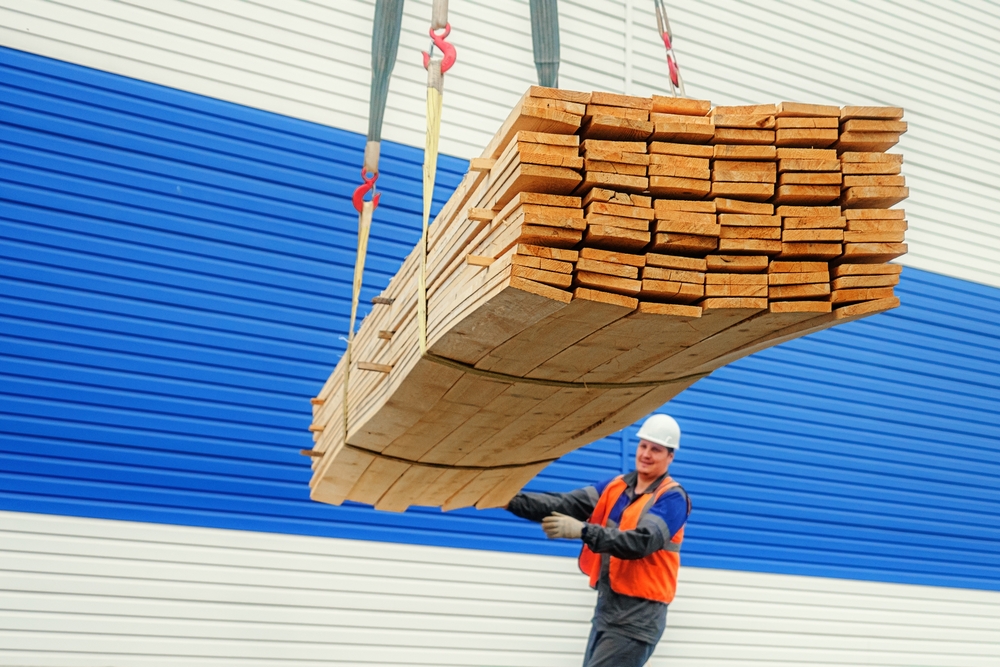
Most home buyers never think about the supply chain behind their new home. They negotiate with the builder, and the builder handles everything else. But the supplier a builder uses has a direct impact on material quality consistency, availability, and the accuracy of the cost estimates you are given.
A builder who sources from a local, established supplier has real relationships, real inventory knowledge, and the ability to catch specification mismatches before they become your problem. A builder using whoever has the lowest bid on any given week introduces variability into your build that is hard to trace and harder to remedy. Browse KYADTA’s product catalog to understand what is actually available locally in Iowa — and cross-reference that against what your builder is quoting you.
We put together a full overview of how material packages work for Iowa new construction — including what is typically bundled, what is not, and how to make sure your allowances reflect realistic current pricing.
Frequently Asked Questions
What is builder grade material in a new construction home?
Builder grade refers to the baseline materials a builder includes in a home’s base price. These are code-compliant, functional materials selected for consistent availability and volume cost savings, not for long-term performance or premium appearance. They include things like entry-level LVP flooring, stock cabinets, laminate countertops, and standard vinyl siding.
Which builder grade materials are worth upgrading in an Iowa new construction home?
In Iowa, the upgrades with the highest impact are: siding (Iowa weather demands better than base vinyl), flooring (harder to replace after moving in), countertops (quartz dramatically outperforms laminate long-term), and windows (energy savings compound over years). Cabinets, light fixtures, and interior hardware are often better addressed after closing.
How do I know if my builder's material allowances are realistic?
Ask your builder which suppliers they use and request spec sheets for the standard materials. Compare the allowance amounts against current supplier pricing in the Des Moines market. If a flooring allowance is $800 per room and current LVP pricing runs $1,200 to $1,800 per room installed, the allowance is not realistic and you will be absorbing the difference.
Is builder grade flooring good enough for an Iowa home?
Entry-level LVP flooring (under 8 mil wear layer) is functional but typically lasts 5 to 7 years in high-traffic areas before showing wear. For Iowa homes with children or pets, a mid-grade LVP with 20 to 22 mil wear layer is significantly more durable and still cost-effective at build time compared to replacement costs after moving in.
Can I upgrade materials after closing on a new construction home?
Yes, but some upgrades are much more disruptive and expensive after the fact. Flooring, cabinets, countertops, siding, windows, and insulation are all significantly more costly to upgrade post-construction. Light fixtures, hardware, paint, backsplash, and landscaping are easier and cheaper to handle after you move in.
Talk to a Local Supplier Before You Finalize Your Build
Most Iowa home buyers never talk to a building materials supplier directly. They rely entirely on the builder’s upgrade sheet, which is priced for the builder’s margin, not your benefit. Understanding what materials actually cost from a local Iowa supplier like KYADTA gives you a real baseline for the conversations you need to have with your builder before you sign.
KYADTA Building Supplies serves builders and home buyers across Des Moines and central Iowa. We supply LVP flooring, semi-custom cabinets, quartz countertops, siding materials, and full material packages for new construction projects. We know the Des Moines market, we know the local builders, and we know what’s actually in the homes being built right now.

KYADTA Building Supplies, LLC partners with developers, builders, and contractors nationwide to deliver high-quality building materials tailored to your project’s design, budget, and timeline. From countertops, flooring, and cabinets to lighting, trim, and fixtures, our turnkey design packages and custom product solutions help you build smarter. With 25+ years of construction experience, we provide trusted brands, competitive pricing, and accurate, value-driven material packages. Family-owned and fully insured, we stand behind every product and promise to help bring your vision to life, on time and on budget