Iowa’s new construction market is as active as it has been in years. According to the National Association of Home Builders, Midwest residential construction starts grew year-over-year through the first half of 2026, with the Des Moines metro continuing to rank among the strongest growth markets in the region. With more projects breaking ground across Ankeny, Waukee, West Des Moines, and surrounding communities, builders and developers are looking harder for ways to protect their timelines and budgets.
The Iowa Economic Development Authority projects continued population and housing growth through the end of the decade, which means the competitive pressure on Iowa builders to deliver on schedule and on budget is not easing. One of the tools that experienced builders and developers are using to manage that pressure is the building material package.
Most builders know what a material package is in principle. But the way packages work in practice, what they actually include, how they are built from a set of plans, and why they produce better project outcomes than sourcing materials individually — those details are worth understanding in depth before your next project breaks ground.
A building material package is a pre-coordinated set of materials for a construction project, assembled by a supplier from your floor plans and design specifications before work begins. Instead of ordering flooring from one vendor, cabinets from another, countertops from a fabricator, and siding from a lumberyard, all of those selections are organized, priced, and delivered through a single source.
The package is built around three things: your design intent, your budget tier, and your project timeline. A good supplier reads your plans, understands what the finished product is supposed to look like and what the project can spend, and puts together the materials that get you there. A great supplier also thinks through delivery sequencing so materials arrive when crews actually need them, not weeks early or late.
Material packages are not a new idea. Large national production builders have used coordinated material sourcing for decades. What has changed in Iowa is that independent builders and smaller developers working on 5, 10, or 40-unit projects can now access the same kind of coordinated supply that was previously only available to national homebuilders with massive purchasing volume.
According to HomeGuide, interior finishes and fixtures represent 30 to 40 percent of total new construction costs in Iowa, ranging from $75,000 to $250,000 or more on a typical single-family home. That is a significant portion of any project budget to manage across multiple vendors, lead times, and selection decisions. When those decisions are made independently and at different stages of the build, three problems appear consistently.
Change orders are the most expensive thing that happens on a new construction project after the foundation is poured. They come from multiple places: a homeowner changes a cabinet selection after the countertop has been ordered, a flooring product goes out of stock and a substitution does not match the existing trim, siding arrives in a slightly different color batch than the sample that was approved. Each of those events generates a change order. Change orders generate cost overruns. And cost overruns erode the profit margin on a project that may have been priced tightly to begin with.
When materials are selected and ordered as a coordinated package, those conflicts are caught before orders are placed rather than after products are on site. The flooring and cabinet selections are reviewed together. The countertop and cabinet finish are confirmed to coordinate. The siding color is checked against the trim specification. That front-end review eliminates the majority of change orders that come from material conflicts.
Our post on how Iowa contractors can avoid material delays on new construction projects covers this in detail, but the core problem is this: when materials are ordered through separate vendors on separate timelines, gaps appear. Cabinets arrive before countertops are ordered. Flooring is scheduled for installation before the subflooring is ready for it. Siding sits on-site for three weeks because the installation crew had a different project first. Each gap adds days or weeks to the schedule, and schedule delays in Iowa’s construction market translate directly into cost.
A coordinated package from a single supplier with construction experience means delivery timing is planned around the actual build sequence, not around each vendor’s standard lead time.
When a builder puts together a project bid with material allowances rather than firm prices, the allowances almost always come up short. Homewyse’s interior finish cost data for Iowa shows consistent gaps between what allowances budget for flooring, cabinets, and countertops and what actual installed costs run in the current market. A material package with firm pricing before the project begins closes that gap and protects the bid.
Builders who have moved from allowance-based bidding to package-based bidding consistently report fewer owner conflicts at project close and stronger repeat business from clients who trusted the budget they were given at the start.
A full finish material package for Iowa new construction covers every product category that affects the interior and exterior appearance of the finished home. The National Kitchen and Bath Association identifies kitchen and bath finishes as the two highest-impact design decisions in residential construction, and both are central to a complete package. Here is what a full package typically includes:
The single largest square footage category in any finish package. For Iowa new construction, luxury vinyl plank (LVP) on a rigid SPC core is the standard specification for main living areas, with tile for wet areas. A flooring package covers product selection aligned to the design tier, square footage take-off from plans, waste factor calculation, and delivery timing coordinated with the installation schedule.
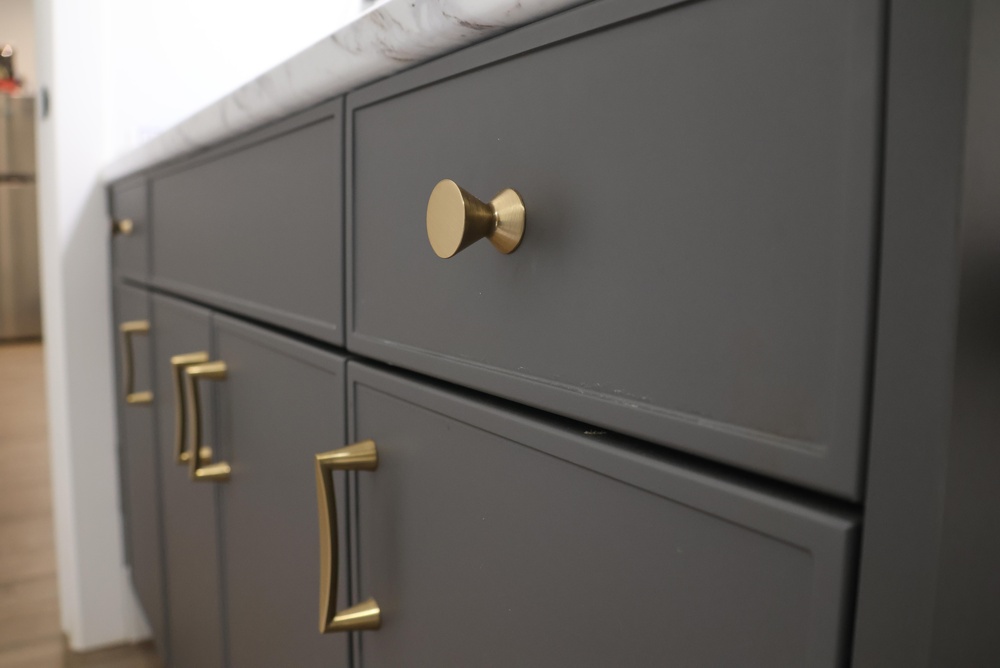
Kitchen and bathroom cabinetry carries the longest lead time of any finish material category. Semi-custom cabinets run 8 to 16 weeks from order confirmation. A cabinet package includes door style and finish selection, layout review against the floor plan, hardware coordination, and phased delivery for multi-unit projects. Getting this right at the planning stage is what keeps occupancy dates from slipping.
Quartz countertops are the standard specification for Iowa new construction above the entry level. A countertop package covers slab selection coordinated with the cabinet finish, thickness and edge profile specification, fabricator coordination, and delivery timing sequenced after cabinet installation. For multifamily projects, it also covers consistent slab ordering across all units to prevent color variation between buildings.
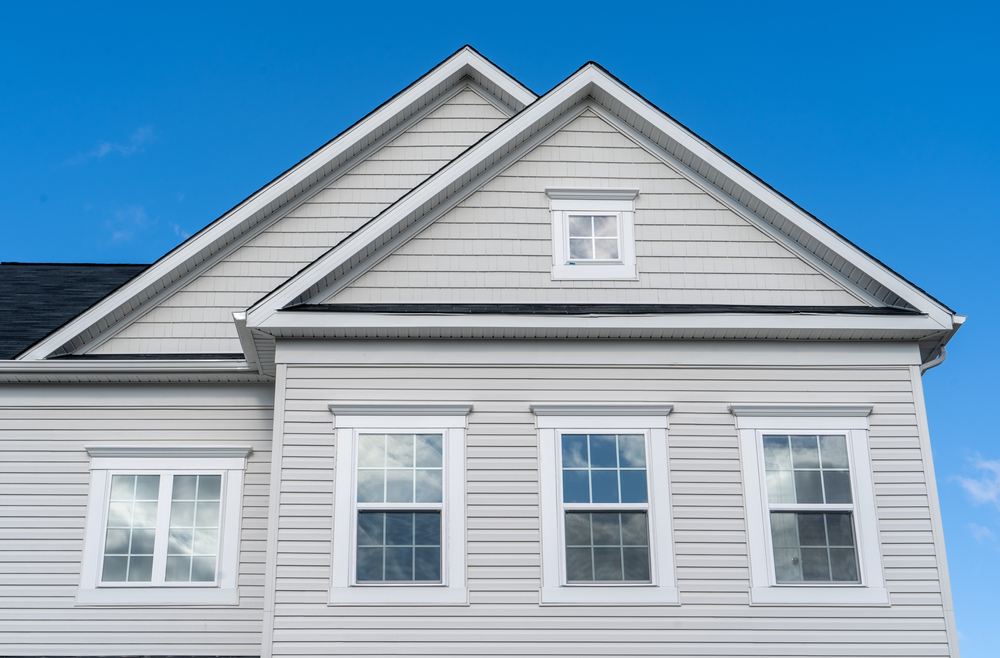
The exterior package covers siding material specification from vinyl, LP SmartSide, or fiber cement based on the project’s price point and market position, along with coordinated trim boards and any exterior accessory items. Siding ordered as part of a coordinated package ensures that trim and siding arrive together, which is the most common exterior schedule breakdown when the two are sourced separately.
Depending on project scope, packages also cover plumbing and bath accessories, lighting fixtures, cabinet hardware, kitchen sink and accessories, and electrical accessories.
For single-family builds, the package is built around the buyer’s or builder’s specific design selections. Custom colorways, buyer-approved slab selections, and personalized finishes are all part of the process.
For multifamily and rental communities, the structure changes. Consistent colorways across all units, single-run countertop ordering for color uniformity, phased delivery by building or phase, and per-unit pricing across the full development are what the package is built around. The goal is the same in both cases: accurate quantities, coordinated selections, firm pricing, and delivery that matches the build sequence.
For a 40-unit townhome development, sourcing finish materials through 6 separate vendors across the construction timeline creates 40 sets of lead times, 40 delivery schedules, and 40 opportunities for color or specification mismatch. A coordinated package from one supplier reduces all of that to one relationship and one project timeline.
From there, the process follows four steps:
Step 1 — Take-off and quantity calculation. We calculate the square footage for each material category from your plans, including waste factors for each product type. This is where allowance-based bids fail: most builders estimate 10 percent waste on flooring across the board, but complex room layouts, diagonal installations, and pattern requirements can push waste to 15 or 20 percent in specific rooms. Accurate take-offs from the actual plans prevent under-ordering.
Step 2 — Product selection aligned to budget tier. We present product options in the categories your project needs, organized by budget tier. You choose from options that are already confirmed to work together from a design standpoint. This eliminates the back-and-forth of presenting individual products that may not coordinate with each other.
Step 3 — Firm package pricing. Once selections are confirmed, you receive a firm price for the full package. That price does not change based on market fluctuations between order date and delivery, which is increasingly valuable in 2026’s volatile material cost environment.
Step 4 — Delivery coordination. Materials are delivered to the job site in the sequence they are needed, not all at once. Flooring does not arrive before framing is complete. Countertops do not arrive before cabinets are set. Siding does not stage on site for weeks before the crew is scheduled. Delivery sequencing is one of the biggest practical advantages of working with a supplier who understands construction rather than just product catalogs.
The most common mistakes that lead to change orders, budget overruns, and schedule delays on Iowa new construction projects all trace back to fragmented material sourcing.
Making flooring and cabinet selections at different stages. The flooring finish and the cabinet door color need to be confirmed together, under the same lighting conditions. Approving them separately through different vendors at different weeks of the project is how you end up with a warm-toned floor that fights a cool-toned cabinet finish in the finished kitchen.
Using square footage estimates instead of plan take-offs. Rough square footage calculations from a floor plan view miss the wall returns, closets, irregular rooms, and transition areas that add real square footage to a flooring order. Under-ordering by 8 percent on an LVP product that is no longer in stock at reorder is a schedule delay of two to four weeks.
Ordering cabinets after framing is complete. Cabinets need to be ordered when design selections are finalized, which should happen before or during framing, not after. The 8-to-16-week lead time on semi-custom cabinets does not compress because you waited too long.
Sourcing siding and trim from different vendors. Siding and trim need to arrive together and need to be specified from the same manufacturer to ensure color and profile compatibility. Trim ordered separately almost always has a different lead time than the siding panels.
Not locking in pricing before the market moves. Material costs in 2026 are not stable from month to month. A package quote locks in pricing at the time of order.

The team behind KYADTA brings over 25 years of construction experience, which shapes how we approach every package. We have been on the job site side of material sourcing. We know what a mismatched flooring and cabinet selection looks like in a finished kitchen. We know what a short-shipped countertop order does to an installation schedule. We know how to read a set of plans and catch the quantity errors that show up in field-estimated take-offs.
For builders and developers across Des Moines, Ankeny, Waukee, West Des Moines, Urbandale, Johnston, Grimes, and surrounding Central Iowa communities, that construction background is what makes our packages different from a product catalog with prices on it.
Our clients tell us consistently that the biggest value of working with KYADTA is not just the products or the pricing. It is the accuracy. The package covers what the project actually needs, priced at what the project can actually spend, delivered when the crews are actually ready for it.
“KYADTA has been a reliable partner from day one. Their ability to align finish packages with our budget and timeline has made the design process seamless across multiple projects. We’ve saved time and reduced headaches without compromising on quality.” — K.C., Project Manager, Multifamily Developer
A full building material package from KYADTA covers every finish category your project needs. For a new construction home, that typically includes flooring (LVP or tile), cabinets, quartz countertops, exterior siding and trim, and additional categories like plumbing fixtures, lighting, and cabinet hardware based on project scope. The package is built from your floor plans and tailored to your design intent and budget tier.
Change orders on new construction projects most often come from material conflicts that were not caught before ordering began: a flooring finish that does not coordinate with the cabinet color, a countertop slab that was ordered before the cabinet layout was finalized, a siding batch that varies from the approved sample. A coordinated material package reviews all selections together before any orders are placed.
No. KYADTA builds material packages for single-family homes, townhomes, and multifamily developments of any size. The package structure adapts to the project.
After we receive your floor plans and project information, we typically deliver an initial package quote within 5 to 7 business days. For multifamily developments with more complex design requirements, allow 7 to 10 business days.
Submit your floor plans and project details through KYADTA’s contact form at kyadta.com. Include the project type, the number of units if applicable, your general design tier, and your target completion date. You can also call (515) 963-0842 or email info@kyadta.com.
The builders and developers who deliver on schedule and on budget in Iowa’s current construction market are the ones who get their material selections finalized early, order from a coordinated package rather than chasing individual vendors, and work with a supplier who plans delivery around the build sequence rather than a catalog lead time.
KYADTA Building Supplies works with builders, contractors, and developers across Des Moines and Central Iowa to build accurate, coordinated material packages for new construction and multifamily projects of all sizes.

KYADTA Building Supplies, LLC partners with developers, builders, and contractors nationwide to deliver high-quality building materials tailored to your project’s design, budget, and timeline. From countertops, flooring, and cabinets to lighting, trim, and fixtures, our turnkey design packages and custom product solutions help you build smarter. With 25+ years of construction experience, we provide trusted brands, competitive pricing, and accurate, value-driven material packages. Family-owned and fully insured, we stand behind every product and promise to help bring your vision to life, on time and on budget